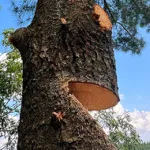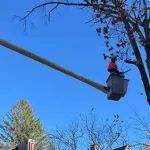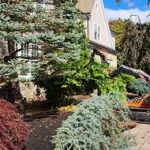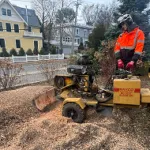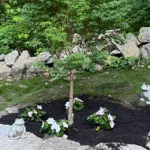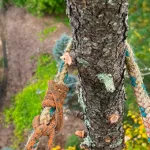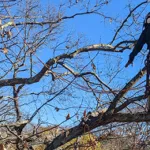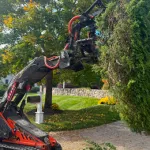
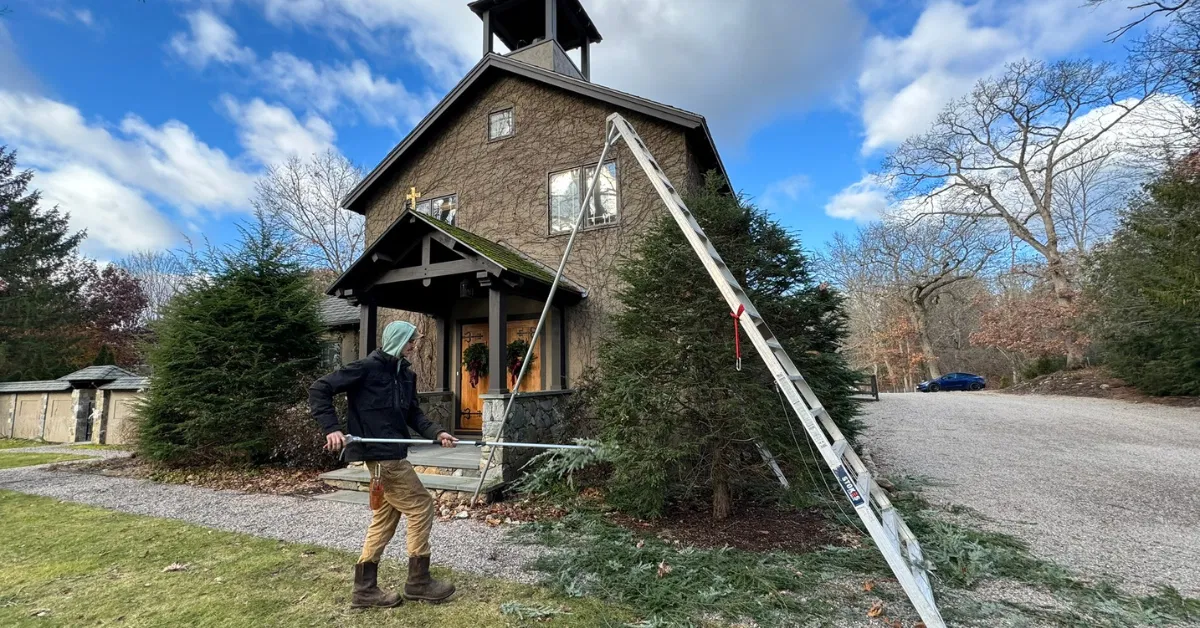
Ornamental trees in Greater Boston require precise, species-specific trimming to preserve structure, bloom cycles, and long-term health. A Japanese maple losing its layered form near a Beacon Hill entryway. A flowering dogwood developing crossing limbs in a Newton yard. A magnolia is extending too close to a walkway after unchecked seasonal growth.
These trees are focal points. Improper cuts can permanently alter shape, reduce flowering, and weaken structural integrity.
Dover Country Trees provides professional ornamental tree trimming in Greater Boston and the Greater Boston area. Our ISA-certified arborists evaluate each specimen individually, applying fine pruning techniques based on species growth patterns and seasonal timing. Every cut is deliberate. The goal is balanced structure, preserved bloom performance, and long-term vitality rather than cosmetic shaping.
Call (508) 456-5777 to schedule your free on-site ornamental tree evaluation.
Do You Have These Concerns?
- Has your Japanese maple lost its natural shape?
- Are flowering trees producing fewer blooms each year?
- Do branches feel crowded or visually unbalanced?
- Are limbs starting to press toward walkways or siding?
If you are noticing early structural changes, corrective trimming now prevents permanent distortion later.
What Our Ornamental Tree Trimming Service Includes
Ornamental trimming is detailed structural refinement. It is not hedge shearing or bulk canopy reduction.
Our work typically includes:
- Selective branch removal to maintain natural architecture
- Watersprout and sucker removal at origin points
- Correction of crossing or rubbing limbs
- Interior deadwood removal within delicate canopies
- Weight balancing in asymmetrical growth patterns
- Targeted reduction near walkways, patios, and entry features
- Post-bloom structural refinement for flowering trees
We do not top ornamental trees. We avoid aggressive heading cuts that trigger unstable regrowth. All pruning follows ISA standards for proper cut placement and branch collar protection.
Large shade tree pruning and hedge maintenance are handled under separate services.
When Ornamental Trees Need Professional Attention in Greater Boston
Decorative species show imbalance early. Ignoring small structural flaws allows long-term distortion.
Schedule evaluation if you notice:
- Upright shoots breaking through weeping or layered forms
- Reduced flowering compared to previous seasons
- Limbs crossing and creating bark wounds
- Dense interior growth limiting airflow
- Storm-damaged twigs trapped in the canopy
- Encroachment on architectural features or stonework
Cool, wet spring conditions common throughout Greater Boston increase fungal pressure on dogwoods, crabapples, and magnolias. Strategic thinning improves light penetration and reduces disease risk.
Our Ornamental Trimming Process in Boston & Surrounding Communities
Step 1. Species and Structural Assessment
A certified arborist evaluates species characteristics, bloom timing, canopy balance, and site placement. Soil conditions, drainage patterns, and exposure are factored into the trimming plan.
Step 2. Written Scope and Plan
You receive a written estimate outlining recommended structural adjustments and the reasoning behind each category of cut. Our no-surprise guarantee means the quoted price is the final price.
Step 3. Precision Hand Pruning
Most ornamental trimming is performed with hand tools to maintain control and accuracy. Cuts respect bud orientation, preserve natural growth lines, and support future structural integrity.
Step 4. Cleanup and Maintenance Guidance
All debris is removed from your property. We provide a recommended follow-up schedule, typically annual or biannual depending on species, growth rate, and placement.
Call (508) 456-5777 to schedule your ornamental evaluation.
What Influences Ornamental Tree Trimming Cost
Ornamental work is more detail-driven than large canopy pruning.
Cost factors include:
- Number of ornamental specimens
- Tree height and canopy complexity
- Corrective work required from prior improper pruning
- Access constraints around patios, fencing, or foundation plantings
- Seasonal timing based on bloom cycles
Each project begins with an on-site evaluation. You receive a written estimate outlining the full scope before work begins.
Why Property Owners Across Greater Boston Choose Dover Country Trees
- 25 years of combined professional experience
- ISA-certified arborists leading every evaluation
- TCIA membership and OSHA-compliant safety practices
- Detail-focused hand pruning rather than production trimming
- Fully insured with general liability and workers’ compensation coverage
- Based at 5 Riga Rd, Dover, MA 02030
We understand how ornamental species respond to New England frost cycles, humid summers, and variable soil conditions across the Boston area.
Regional Considerations for Ornamental Species
Properties throughout Greater Boston commonly feature Japanese maples, flowering dogwoods, magnolias, crabapples, redbuds, stewartias, and ornamental cherries.
Local stress factors include:
- Late frost events affecting early bloomers
- Dogwood anthracnose during extended wet periods
- Magnolia scale leading to honeydew and sooty mold
- Leaf scorch in poorly drained soils
- Ice loading on lighter branch structures
Without careful structural refinement, imbalance compounds and increases the likelihood of storm-related breakage.
Service Area Across Greater Boston & Boston
Primary Coverage: Greater Boston & Boston, MA
We provide ornamental tree trimming throughout:
- Boston neighborhoods including Back Bay, Beacon Hill, Charlestown, Dorchester, and West Roxbury
- Norfolk County including Dover, Needham, Wellesley, Westwood, and Medfield
- Middlesex County including Newton, Natick, Wayland, Weston, and Concord
Call (508) 456-5777 to confirm service availability.
Frequently Asked Questions
When is the best time to trim ornamental trees in Greater Boston?
Timing depends on species and bloom habit. Flowering trees that bloom on old wood, such as dogwoods and magnolias, are typically trimmed shortly after flowering to preserve next year’s buds. Japanese maples respond well to structural work during late winter dormancy.
How often should ornamental trees be maintained in the Boston area?
Most ornamental specimens benefit from annual or biannual refinement. High-visibility trees near entrances or patios often require yearly attention to maintain proportion and structure.
Can improper trimming permanently damage an ornamental tree?
Yes. Aggressive heading cuts and topping create unstable regrowth and long-term structural weakness. Many ornamental species do not recover well from severe mistakes.
Do you identify pest and disease concerns during trimming?
Yes. During evaluation and trimming, we inspect for anthracnose, scale insects, borers, and structural defects. If concerns are identified, we provide clear recommendations for treatment.
Do you provide written estimates before starting work?
Every ornamental trimming project begins with an on-site arborist assessment and a written estimate outlining scope and total cost.
Schedule Your Ornamental Tree Evaluation in Greater Boston & Boston
If your ornamental trees are losing form, flowering less, or crowding architectural features, schedule a professional assessment before structural issues become permanent.
Call (508) 456-5777 to book your free on-site evaluation. We assess each specimen, explain the structural approach, and provide a written plan so you can move forward confidently.