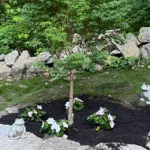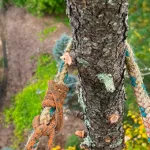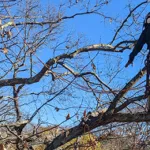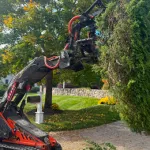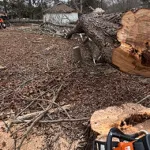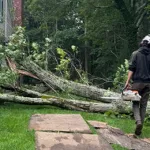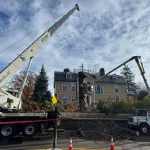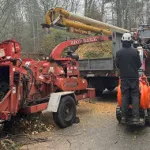
Dover Country Trees provides professional tree pruning throughout Greater Boston and Boston for estate properties, residential lots, and commercial sites. Our ISA-certified arborists evaluate structure, species, soil conditions, and exposure before making a single cut. Every pruning decision supports long-term canopy stability, storm resilience, and tree health.
Call (508) 456-5777 to schedule your free on-site arborist evaluation and written estimate.
Across Greater Boston and Boston neighborhoods, mature trees define the landscape. Large oaks shade suburban properties. Maples frame long driveways. Pines border wooded lot lines. Without routine structural pruning, those same trees develop hidden weaknesses. Branches extend over rooflines. Dense crowns trap moisture during wet Norfolk and Middlesex County springs. Heavy limbs fail under snow and ice common across Massachusetts winters.
What Tree Pruning Includes Across Greater Boston & Boston
Tree pruning is structural canopy management. It is not general trimming or cosmetic shaping.
Our tree pruning services include:
- Crown cleaning to remove dead, diseased, and storm-damaged limbs
- Crown thinning to improve airflow during humid Massachusetts summers
- Crown reduction to manage overextended limbs near homes and garages
- Structural pruning for young trees on larger residential properties
- Clearance pruning above driveways, walkways, and rooflines
- Post-storm hazard mitigation following nor’easters and heavy snow
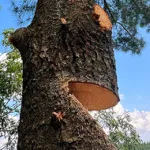
We never top trees. Topping creates weak regrowth and long-term instability. All pruning follows ISA standards for proper cut placement and branch collar protection.
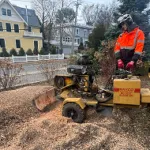
Tree removal, stump grinding, and cabling are quoted separately when required.
Signs You Need Tree Pruning in Greater Boston
Properties throughout Boston and surrounding communities often contain mature oak, maple, pine, and hemlock trees. On larger lots, deferred maintenance quickly increases structural risk.
Schedule pruning if you notice:
- Deadwood visible throughout the canopy
- Limbs contacting roofing, siding, or chimneys
- Branches hanging over driveways or public road frontage
- Storm-damaged limbs that remain partially attached
- Dense canopy growth blocking sunlight and airflow
- Visible fungal growth during damp spring conditions
If your property sits within a wetland buffer zone or along a scenic road, responsible canopy management may also be necessary for compliance with local oversight.
Our Process for Tree Pruning in Boston & Surrounding Communities
Step 1. On-Site Arborist Evaluation
A certified arborist evaluates tree structure, species characteristics, root stability, and proximity to structures. Clay-heavy and sandy loam soils common across Greater Boston are factored into the structural assessment, as soil conditions influence anchorage and long-term health.
Step 2. Written Scope and Plan
You receive a detailed written estimate outlining the pruning method, targeted limbs, access strategy, and cleanup plan. Our no-surprise guarantee means the quoted price is the final price.
Step 3. Professional Pruning Execution
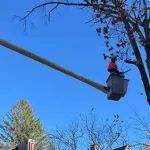
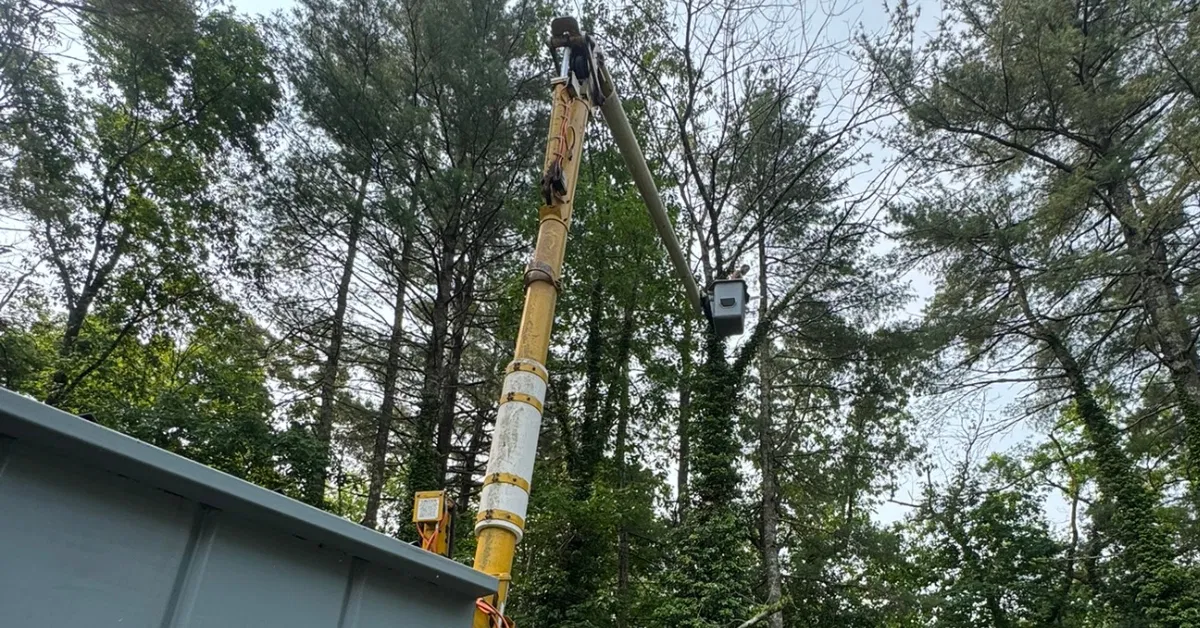
Our crew performs crown cleaning, thinning, reduction, or structural pruning using climbing systems and specialized canopy access equipment suited for both urban Boston properties and larger suburban estates. Every cut supports long-term stability and storm resilience.
Step 4. Cleanup and Maintenance Guidance
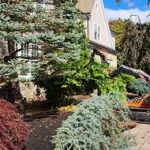
All debris is removed from your property. We provide recommendations for future pruning cycles, typically every three to five years depending on species, exposure, and growth rate.
Call (508) 456-5777 to schedule service.
What Affects Tree Pruning Cost in Greater Boston
Tree pruning costs are based on measurable scope factors, not flat pricing.
Primary cost drivers include:
- Tree height and canopy spread
- Species density and structural complexity
- Volume of deadwood or corrective pruning required
- Proximity to homes, fencing, and utilities
- Access limitations on urban lots or wooded properties
- Seasonal timing and multi-tree project efficiency
Each pruning project begins with an on-site evaluation. You receive a written estimate outlining the full scope before work begins.
Why Property Owners Across Boston & Greater Boston Choose Us
- 25 years of combined field experience in Massachusetts tree care
- ISA-certified arborists leading every pruning project
- TCIA membership and OSHA-compliant safety standards
- Specialized canopy access equipment for large residential properties
- Fully insured with general liability and workers’ compensation coverage
- Locally based at 5 Riga Rd, Dover, MA 02030
We understand the regional regulatory landscape, including Conservation Commission oversight within 100-foot wetland buffer zones and Planning Board considerations along scenic road frontage.
Tree Pruning Risks Unique to Greater Boston & Boston
Greater Boston sits within the Charles River watershed and experiences heavy snow loads, ice accumulation, and coastal storm systems.
Common species vulnerabilities include:
- White and red oak susceptibility to bacterial leaf scorch
- Maple vulnerability to anthracnose and verticillium wilt
- Eastern hemlock exposure to woolly adelgid
- White pine limb failure under snow load
Many suburban properties contain dozens of mature trees. Without proactive pruning, structural stress multiplies year after year.
Service Area Throughout Greater Boston & Boston
We provide tree pruning services throughout:
- Boston neighborhoods including Allston, Brighton, Charlestown, Dorchester, East Boston, Hyde Park, Roslindale, South Boston, and West Roxbury
- Norfolk County including Dover, Needham, Wellesley, Westwood, Medfield, Milton, and Walpole
- Middlesex County including Newton, Natick, Sherborn, Wayland, Weston, Concord, and Carlisle
Call (508) 456-5777 to confirm availability.
Frequently Asked Questions About Tree Pruning
What is the best time of year for tree pruning in Greater Boston?
Late winter through early spring is ideal for pruning most deciduous trees across Greater Boston. Dormant pruning reduces disease transmission and provides clear visibility of branch structure. Hazard mitigation and deadwood removal can be performed year-round when necessary.
How often should trees be professionally pruned in Boston and surrounding communities?
Most established trees benefit from professional pruning every three to five years. Trees located near homes, driveways, or high-traffic areas may require more frequent attention.
Will tree pruning harm my tree?
Proper pruning strengthens structure and reduces limb failure risk. Correct cut placement supports healing and healthy growth. Improper methods such as topping create long-term structural weakness.
Do I need a permit for tree pruning in Greater Boston?
Routine pruning on private residential property typically does not require a permit. However, work within wetland buffer zones or along scenic roads may require Conservation Commission review. We identify any regulatory considerations during evaluation.
Do you provide written estimates before starting?
Yes. Every pruning project begins with an on-site arborist assessment and a written estimate outlining scope and total cost.
Schedule Your Tree Pruning in Greater Boston & Boston
If your trees are overgrown, structurally stressed, or too close to your home or business, schedule professional pruning before the next storm season.
Call (508) 456-5777 to book your free on-site evaluation. A certified arborist will inspect your canopy, explain the recommended strategy, and provide a written plan so you can move forward with confidence.